EPA27 Is Still Coming. Here’s What That Means If You’re Buying a Truck This Year
For the last couple of years, everyone in trucking has been bracing for the same thing: a massive pre-buy rush ahead of the EPA’s 2027 NOx standards, the same kind of buying frenzy that hit the industry before the last major emissions deadline in 2010.
It hasn’t happened. And according to Bruce Stockton, senior freight consultant for the North American Council for Freight Efficiency, it’s not going to.
“It’s way too late for that,” he told Fleet Maintenance in a recent interview.
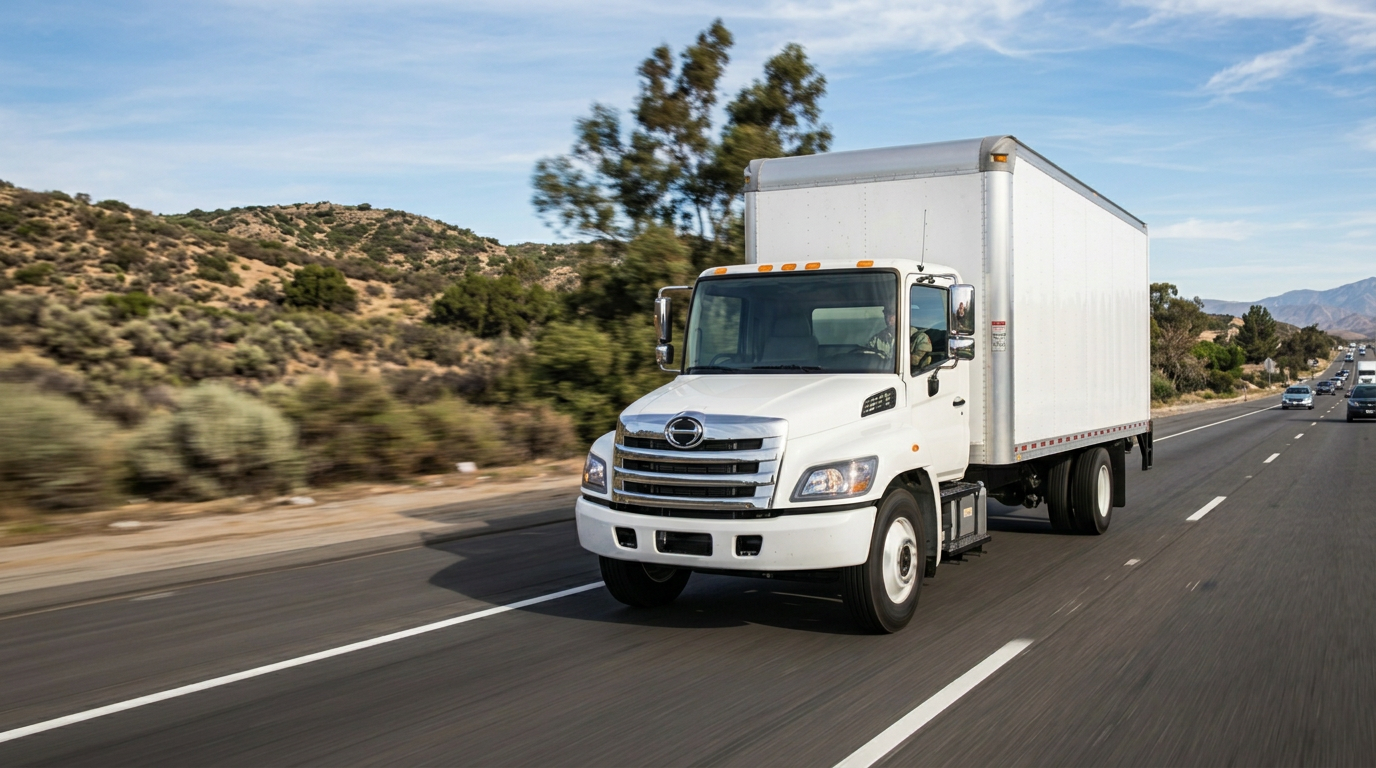
A soft freight market, thin margins, and regulatory back-and-forth have kept a lot of fleets on the sidelines. If you run medium-duty trucks, you might assume that’s a heavy-duty problem. It isn’t. The same rule that’s making Class 8 buyers hesitate applies to Class 4 through 7 trucks too, including the Hino lineups we sell. The specifics differ by weight class, but the uncertainty doesn’t.
The rule everyone’s talking about
The EPA’s heavy-duty NOx rule, finalized in December 2022, cuts the primary NOx limit from today’s 0.20 grams per brake horsepower-hour down to 0.035 g/bhp-hr, starting with model-year 2027 engines. It also originally came with longer emissions-warranty periods, extended useful-life requirements, and tighter in-use emissions monitoring.
Then the Trump administration proposed revising a chunk of that. EPA wants to shorten the warranty periods back down, delay the extended useful-life requirements, add temporary nonconformance penalties, and drop the DEF-related engine derates in favor of visual and audible warnings instead of the truck cutting your power.
The part that gets lost is, none of that touches the actual NOx number. 0.035 g/bhp-hr stays. “Nobody took away the NOx standard,” Allen Schaeffer, executive director of the Engine Technology Forum, told Fleet Maintenance. EPA is adjusting how manufacturers get there, he added, but the underlying target hasn’t moved, and that’s what will matter once the dust settles.
That’s an important distinction, because a lot of the noise around presidential pardons in emissions-tampering cases and proposed changes to DEF derates has convinced some operators that emissions rules are just going away. They’re not. Tampering with an emissions system is still illegal, and the manufacturers who’ve already sunk billions into 2027-compliant engines aren’t walking away from that investment.
Why 2027 isn’t a repeat of 2010
Back in 2010, fleets hit a fork in the road: most manufacturers went with selective catalytic reduction and DEF, while Navistar bet on exhaust gas recirculation alone. Some fleets picked right. Some didn’t.
There’s no equivalent split this time. You’re not choosing between two engineering philosophies for your next Hino. You’re trying to figure out what you’ll actually get if you place an order for a 2027 model, because the manufacturers themselves are staggering their rollouts.
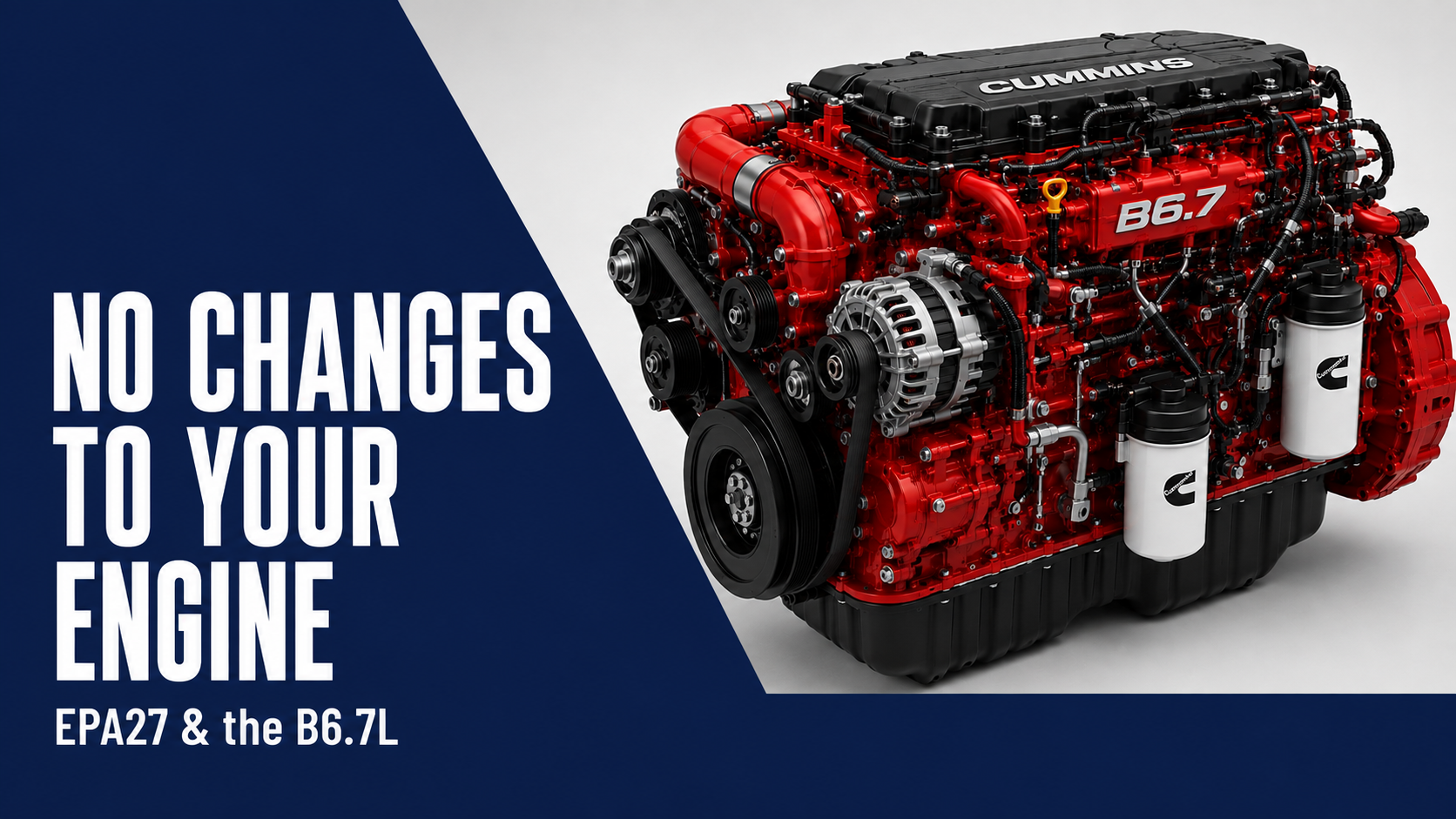
Look at the heavy-duty side for a preview of the pattern: Cummins is easing its 2027 X15 in gradually, starting limited runs in January and not reaching full volume until the fourth quarter, while holding the current engine over as a bridge. Detroit’s Gen 6 DD13 and DD15 land in January 2027, but the DD16 doesn’t show up until a full year later. Every manufacturer is running its own clock. Cummins also builds the B6.7 that powers Hino’s L-Series, and while we don’t have a confirmed 2027 rollout date for that engine specifically, the same staggered approach is the reasonable expectation. The takeaway either way: engine availability is going to vary by brand, model, and even production date, whether you’re spec’ing a Class 8 sleeper or a Class 6 box truck.
What we’re seeing on our side
The market is sending mixed signals right now, and we see it firsthand. Order activity picked up in July, with ACT Research reporting preliminary Class 8 orders up 68% year over year, even though that was down from June. At the same time, demand for clean used trucks in the 350,000-to-450,000-mile range has climbed, because buyers who don’t want to commit to a new build yet are competing for the same late-model inventory.
There’s a wrinkle worth knowing about if you’ve been holding onto your fleet: a few years of soft freight volume means a lot of trucks have less mileage on them than their age would suggest. A four-year-old tractor that should have 450,000 miles might only have 330,000. If your equipment still has real life left in it, that’s not a reason to panic-buy ahead of 2027. It might be a reason to run it a little longer.
What we’d tell you to do
Stockton’s advice for Class 8 buyers applies just as directly to medium-duty fleets: don’t make a replacement decision based on model year alone. Look at mileage, condition, and remaining warranty coverage first. If a truck has another 80,000 to 100,000 miles of useful life in it, run it. If you’re sitting on excess equipment, the used market is strong enough right now that selling it makes sense.
For anyone who does need to replace equipment heading into 2027, get your specs locked in early in the fourth quarter and build in flexibility on delivery, because production windows are likely to stretch from January through October next year rather than landing all at once.
The bottom line: 2027 isn’t shaping up to be the hard cutoff everyone expected. It’s going to be a stretched-out transition, with legacy engines, revised regulatory provisions, and staggered production schedules giving fleets more room to maneuver than looked possible a year ago. The risk isn’t picking the wrong technology. It’s assuming every truck labeled “2027” is the same truck, at the same price, with the same spec sheet.
If you’re trying to figure out what that means for your specific fleet, whether that’s timing a Hino order, deciding if your current trucks have more life left in them, or just getting a straight answer on what’s actually available right now, give us a call. We’ll walk through your options and get you a real quote, not just a guess.
Get a quote or check current inventory at https://inventory.hktruck.com, or call South Plainfield at (908) 754-3330 or Parsippany at (908) 427-4332.